
Showing all 3 resultsSorted by popularity
Over the Counter (OTC) Hearing Aid Considerations
The Goal of OTC Hearing Aids
Though hearing loss is very common with almost 14% of the adult population in the U.S. suffering from it, of those with a known hearing loss, less than 20% actually seek a solution. Ignoring or minimizing hearing loss instead of dealing with it puts these people at risk of their symptoms expanding steadily to damage their emotional, psychological and even cognitive health.
Because the foundation of treatment in the vast majority of cases begins with hearing aids, the goal of OTC hearing aids is to improve patient access to hearing aids. Since these hearing aids do not need to be programmed by a doctor, nor do you need a hearing test prior to purchasing, these hearing aids are more easily accessible. For anyone that is 18 years old or older with perceived mild to moderate hearing loss, these hearing aids can be purchased from a local electronics store or online.
Benefits & Types of OTC Devices
The major benefits to OTC hearing aids are savings and convenience. Until the FDA established this new OTC category, hearing aids were only available with a prescription. In order to receive a prescription, you needed to visit a licensed hearing health care professional who would administer a hearing test and program the devices to suit your exact needs. So for those who are a candidate, these new OTC hearing aids can save you time and money.
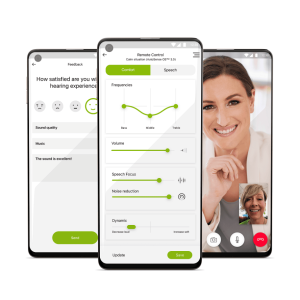
Prior to this ruling by the FDA, personal amplifier devices were the only OTC option. Naturally, these simpler original devices are much less expensive; however, they are useful only for those leading the quietest lifestyles. These devices can really only help in one on one communication, specifically. They amplify all the surrounding sounds including the unwanted noise, making them not suitable outside of quiet conversation. For this reason, these newer OTC hearing aids are a superior option, as they have a bit more customization and boast performance near that of an entry level prescription hearing aid. Most include volume control and an accompanying smartphone app for self-adjustments.
One major caveat is that people under the age of 18 or those who suffer from severe to profound hearing loss, must all still consult with a hearing health professional and purchase prescription hearing aids.
Prescription -Vs- OTC Hearing Aid Prices
Thankfully, our prescription hearing aids are over 50% below retail and can be bought completely online. Even prior to OTC hearing aids, our mission has always been to bring convenience and accessibility to the best hearing aids. We sell OTC hearing aids, as well; however, we believe prescription hearing aids are the superior choice, and thankfully our model enables anyone across America to purchase them at half the price of most local providers. Quality OTC hearing aids are typically about $800-$1000 per pair, while our premium prescription hearing aids start at $1898 per pair.
OTC and Prescription Hearing Aids Compared
Similar to prescription hearing aids, OTC hearing aids come in receiver-in-canal and in-the-ear designs. Choosing the option that feels right to you likely comes down to the severity of your loss, uniqueness of your needs, your budget and how technically savvy you are.
Newer OTC hearing aids have far less limitations than the PSAP amplifiers; however, they are still very limited in comparison to leading brand prescription hearing aids. The major issue with OTC hearing aids is the inability to decipher speech from noise, in order to properly amplify the speech and suppress the noise for the user.
The unwanted sounds will be amplified in conjunction with those you wish to hear, so you will not hear sounds with the clarity of prescription devices unless you are in specific, quieter settings. With premium prescription hearing aids, the devices are designed for full functionality across all environments, so your lifestyle is not limited by your hearing aids.
Before You Buy OTC Hearing Aids
The maximum volumes that OTC hearing aids can achieve have limits that make them ineffective for anyone with more profound hearing loss. So if you suspect that you or a loved one may have severe or profound hearing loss, you should make an appointment with a specialist immediately.
Try OTC Hearing Aids Risk Free
Audiogram & Order
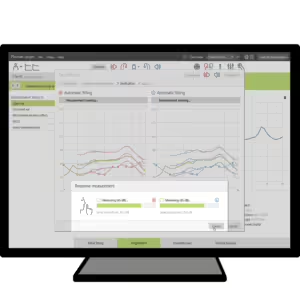
A valid Audiogram is required with any prescription hearing aid order. Simply call us at 877-238-0640, or place your order online. You will be prompted to upload your test during checkout, or simply email your recent audiogram to support@fithearing.com and a member of our team will reach out upon receipt. If you have not been tested recently, simply call us at 877-238-0640, and we will help you coordinate a test.
Wear Your Hearing Aids
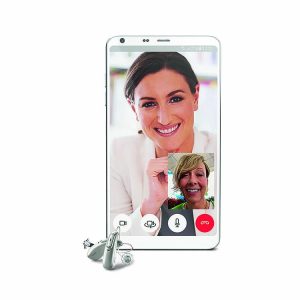
A FitHearing Audiologist will program your hearing aids, and they will be on your doorstep ready-to-wear in about 7-10 days. Wear them and contact our patient care team in order to request any consultation or adjustments with one of our Audiologists. Most hearing aid users need several visits with their Audiologist. A few remote video visits & adjustments will ensure optimal performance from your hearing aids.